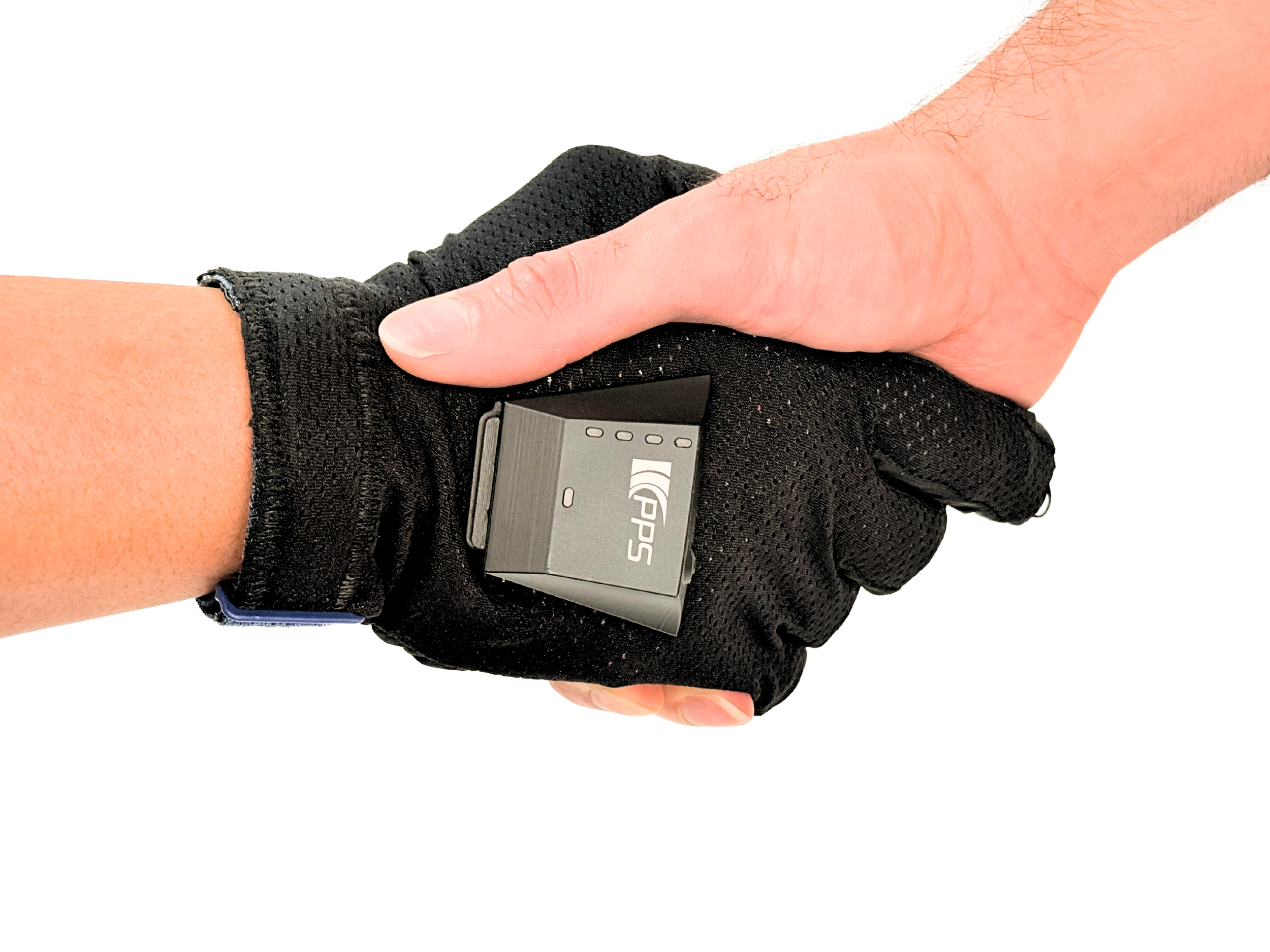
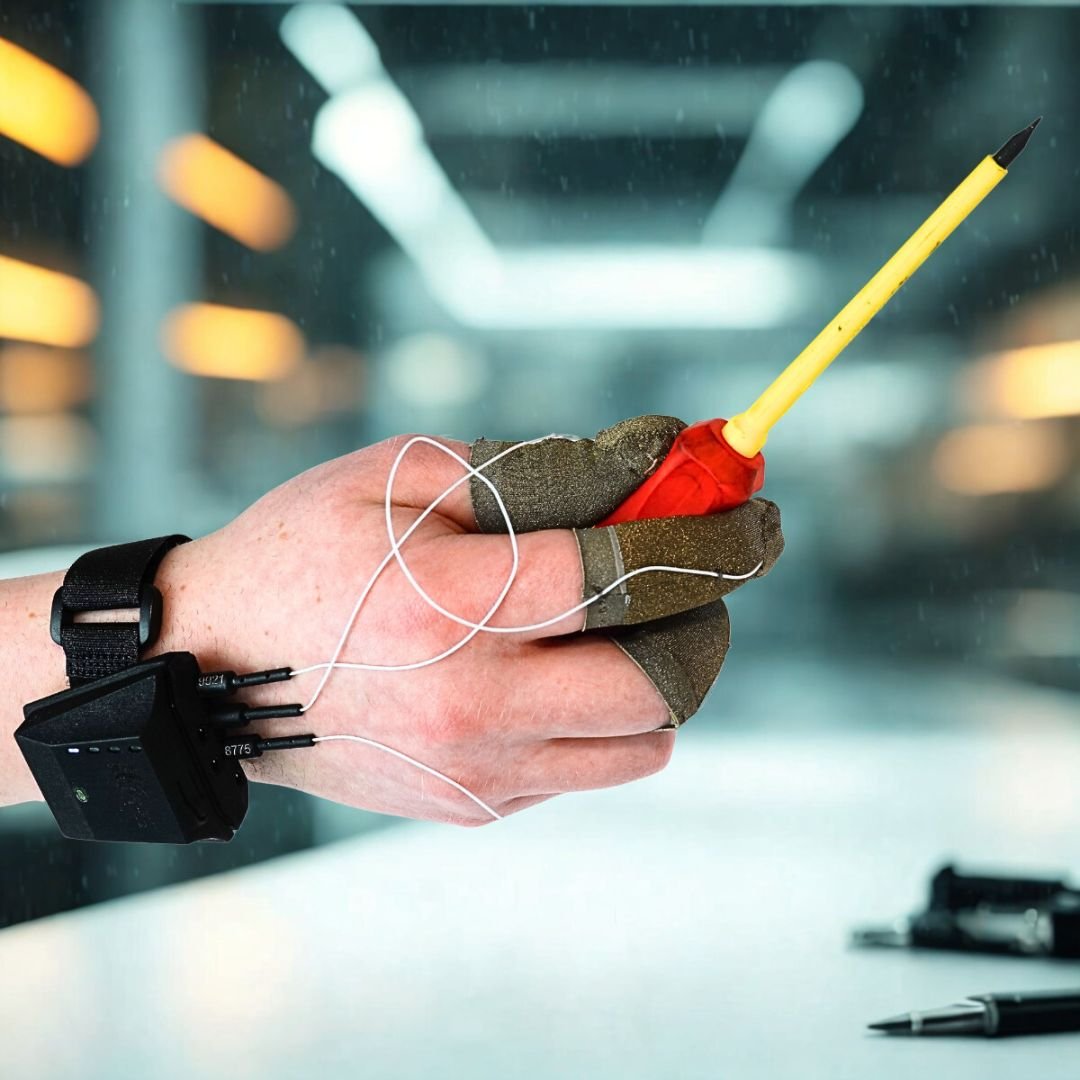
From surgical simulation to sports science, ergonomics research and medical device manufacturing, the applications that emerged from that original DARPA brief took FingerTPS considerably further than anyone anticipated. The engineering question remained the same throughout. The hands holding the sensor kept changing.
Read MoreA palm sensor designed for grip force analysis was never supposed to end up in a neonatal CPR study. But when researchers tried it anyway, the data revealed something uncomfortable: trained clinicians performing the same life-saving procedure were applying vastly different levels of force — and nobody had been measuring it before.
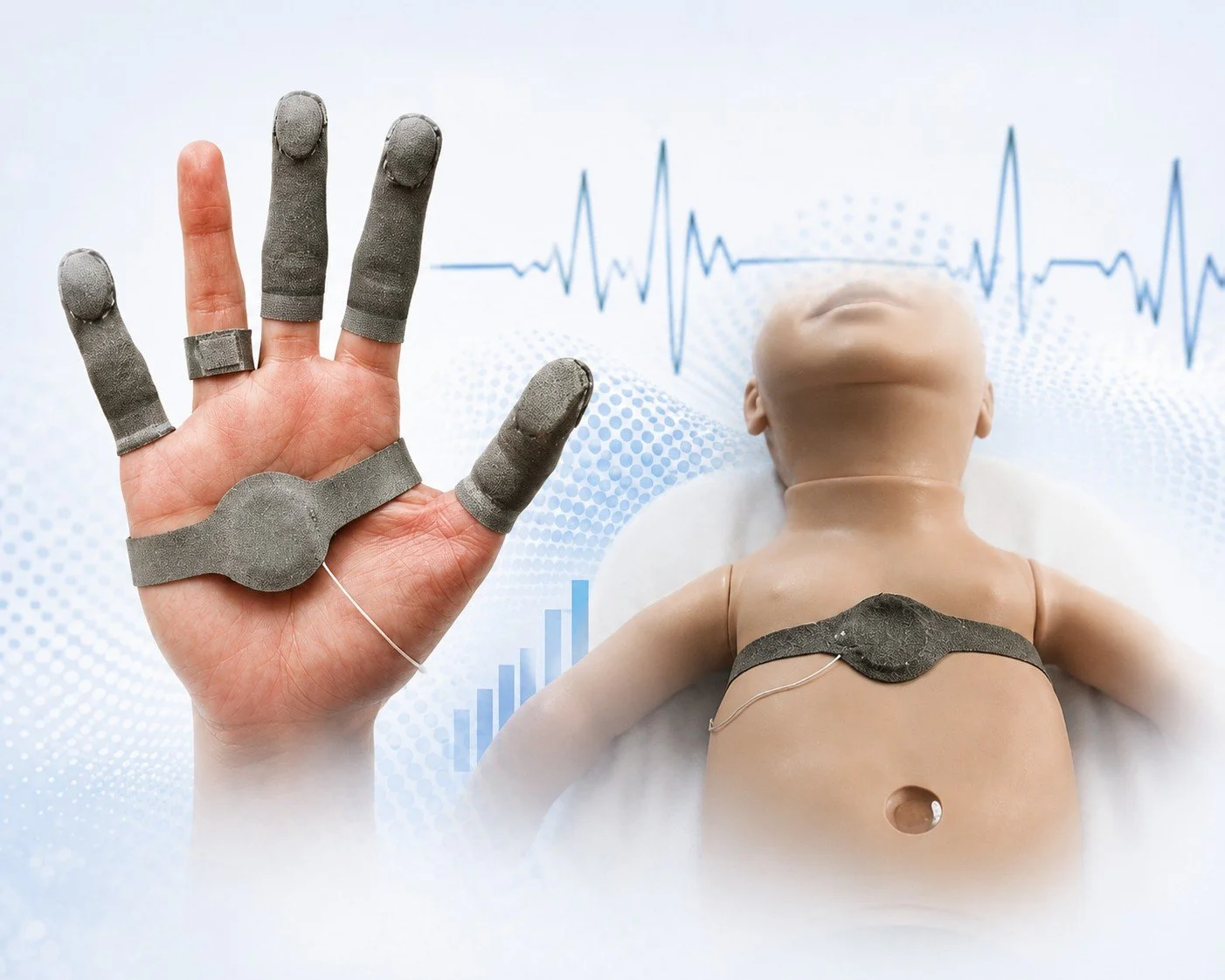
Read MoreTactile sensing technology, like FingerTPS™, is transforming inclusive product design by providing real-time data on fine motor skills, enabling more accessible and user-friendly solutions for diverse abilities.
Read More