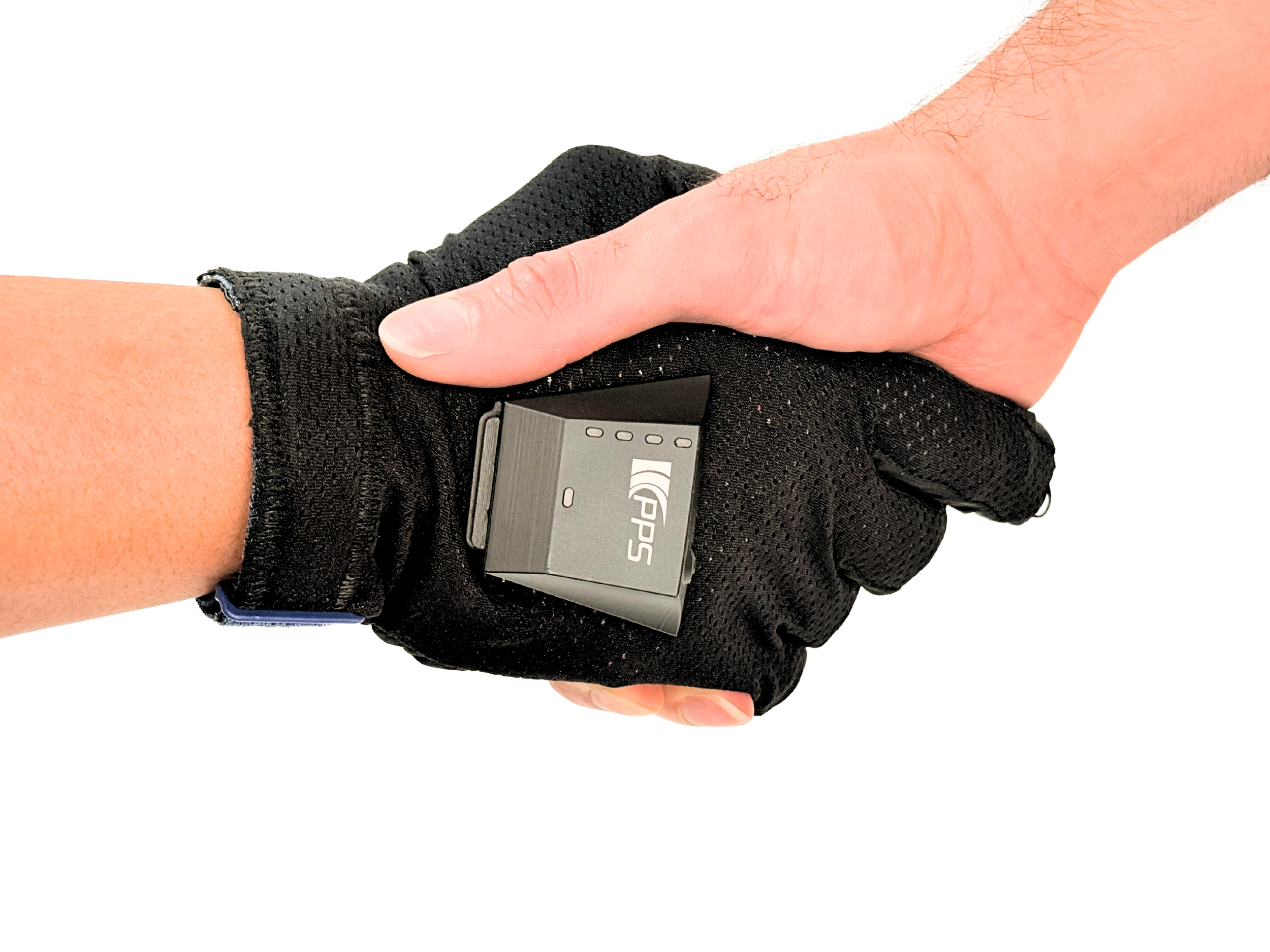
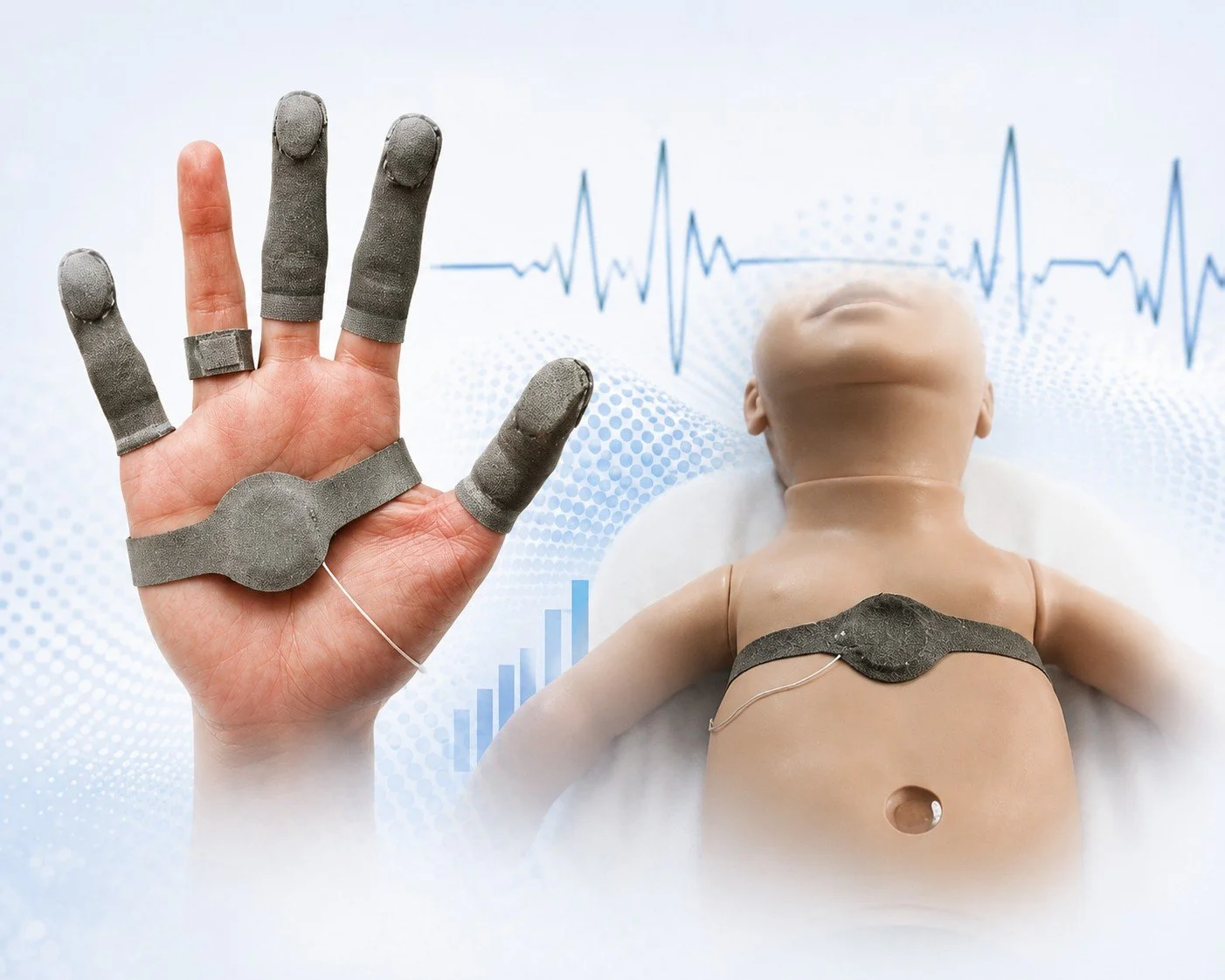
A palm sensor designed for grip force analysis was never supposed to end up in a neonatal CPR study. But when researchers tried it anyway, the data revealed something uncomfortable: trained clinicians performing the same life-saving procedure were applying vastly different levels of force — and nobody had been measuring it before.
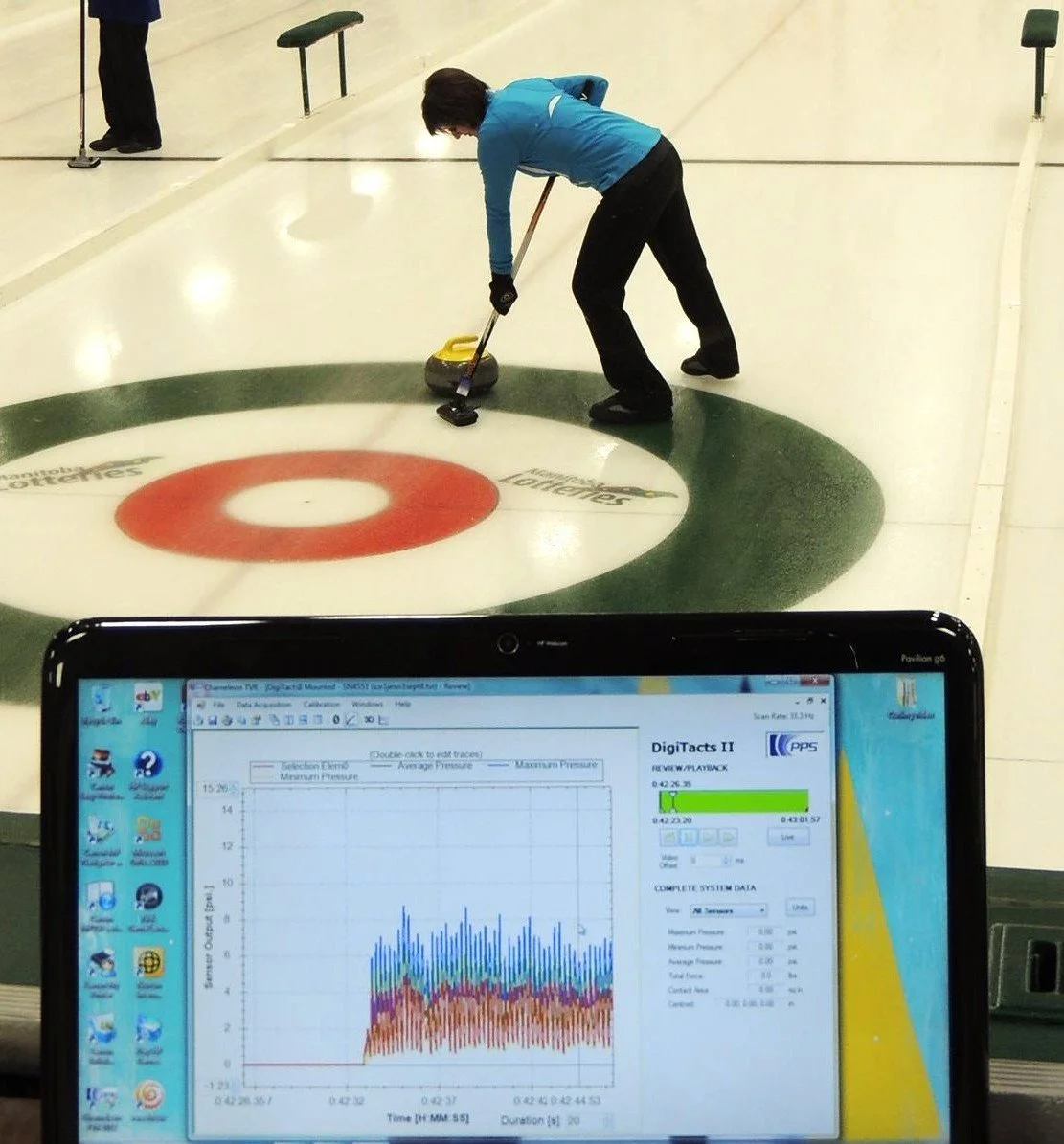
더 알아보기A purpose-built curling training brush developed with PPS enabled objective measurement of sweeping force, consistency, and fatigue during elite-level coaching sessions, providing performance insights that have supported teams competing at national, World Championship, and Olympic level.
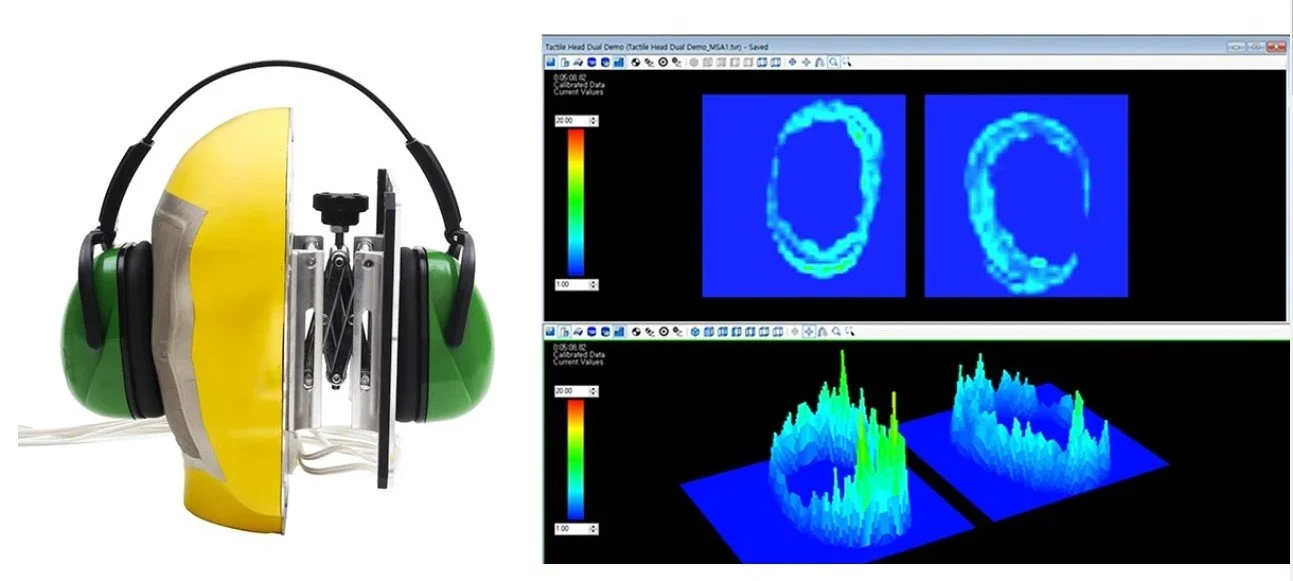
더 알아보기Pressure influences everything from the comfort of your glasses to the precision of a robotic gripper. Dr. Jae Son, founder of PPS, explains how tactile pressure mapping reveals how force is distributed, transforming invisible interactions into data that drives smarter, safer, and more comfortable designs.
더 알아보기Capacitive tactile sensors provide high sensitivity, fast response, and durability for precise pressure measurement. This article explores their advantages, limitations, and how design improvements help overcome challenges.
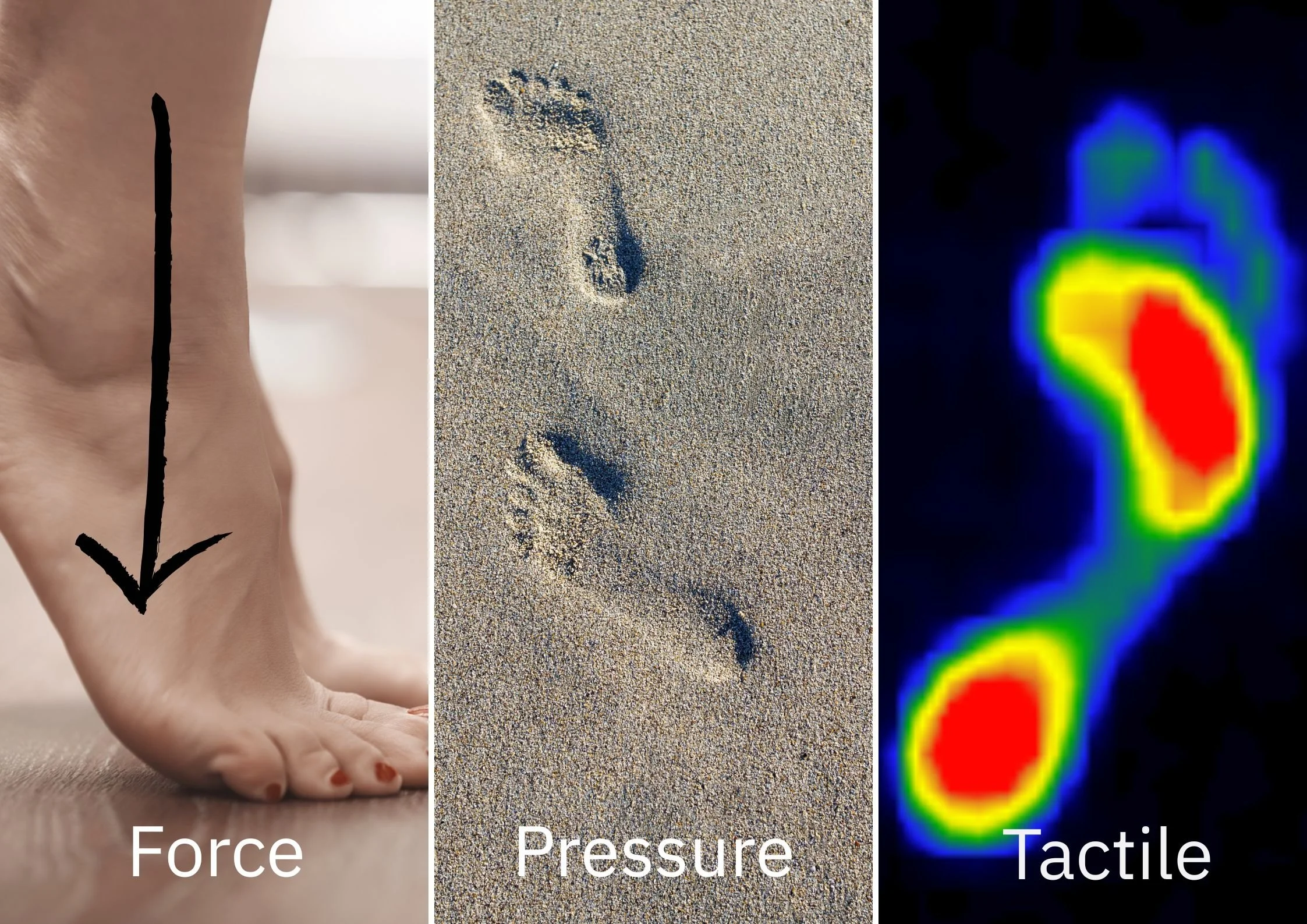
더 알아보기Pressure mapping is the measurement and visualization of pressure and its distribution when two surfaces come into contact. The measurement is usually preformed by a high-tech, thin, flexible and semiconductor sensor.
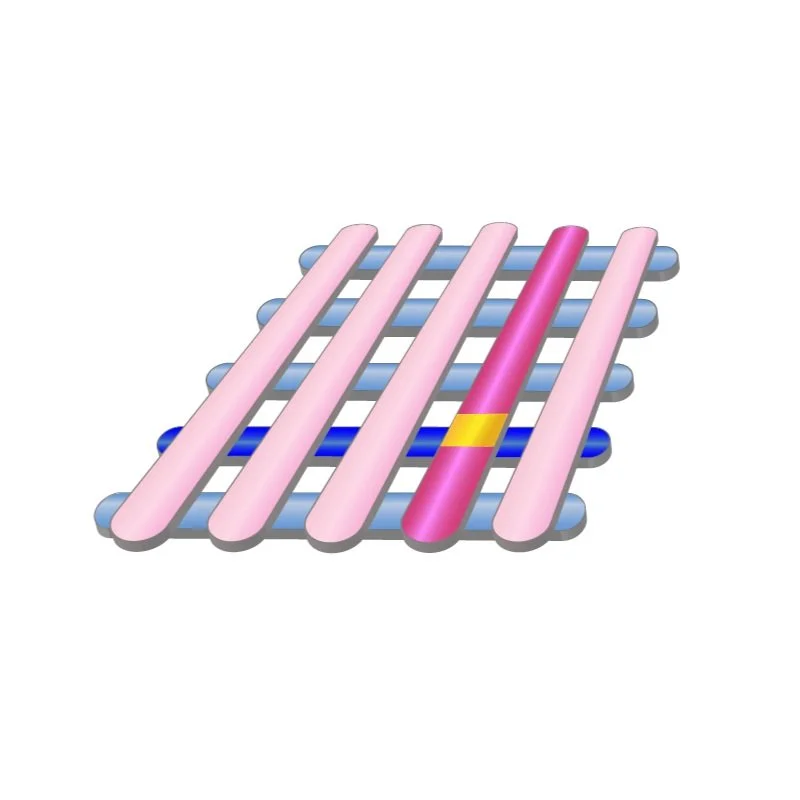
더 알아보기Capacitive tactile sensing combines precise force measurement with detailed pressure distribution mapping using advanced materials and capacitance principles. This innovative technology enables thin, stretchable sensors ideal for diverse applications, from tactile arrays to conformable designs.
더 알아보기Tactile sensors are revolutionizing medical technology by enabling minimally invasive surgical tools that restore the sense of touch, enhancing catheter placement accuracy, and improving prosthetic limb functionality.
더 알아보기